Product UX
How the product behaves after sign-up: onboarding, flows, states, in-product copy, and UX debt.
_
Good for: PMs, founders and designers who want to fix activation, reduce friction and stop “tiny” UX decisions from quietly killing usage.
Most UX audits are long, expensive, and full of beautifully formatted reports you’ll never read twice. This isn’t that. This is the UX sanity check — the quick-and-dirty, seven-question sweep I use when I want to know if a product is healthy enough to survive the week. It’s not a replacement for a proper deep-dive…
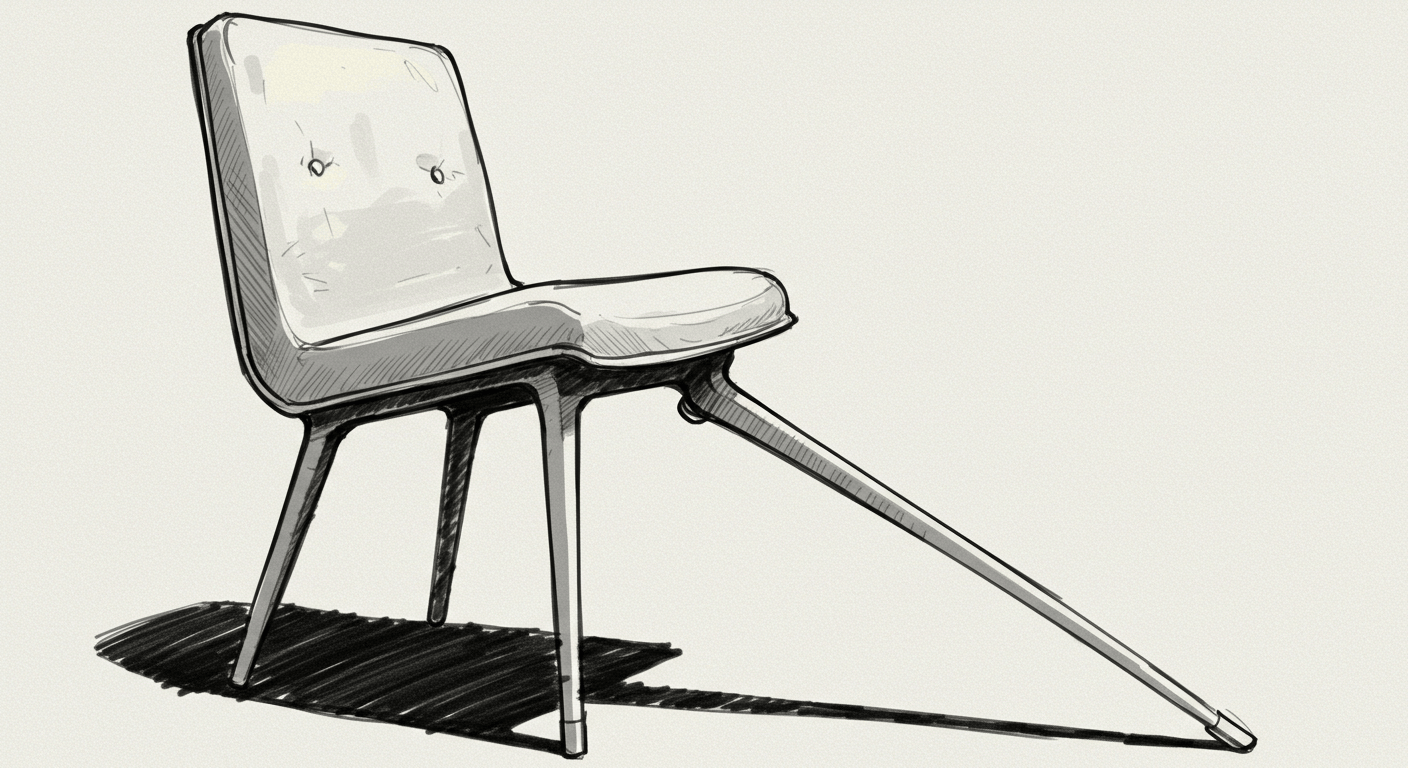
Every product accumulates UX/UI debt. Cluttered flows. Unloved screens. Ghost features no one uses but everyone’s too scared to remove. The digital equivalent of that junk drawer in your kitchen — you know it’s a mess, you just don’t know where to start. Here’s the catch: fixing everything at once isn’t just unrealistic. It’s usually…
Series A fintech startup. $12M raised. Hired “top-tier” agency for complete product redesign. Six weeks, $85K, beautiful deck. Launched Tuesday morning. Thursday: support tickets flooding in. Users couldn’t find basic features. Onboarding completion dropped from 68% to 34%. Developers filing bugs about flows that made no technical sense. Friday: emergency call. What I found: Every…
Got an email Tuesday morning. “Hey, can you do a quick design audit? We think our dashboard needs a refresh. Shouldn’t take long — just want to check if anything looks off. Can you turn it around by Friday?” Friday was four days away. “Quick design audit” is the second-most optimistic phrase in product development.…
Most products I audit have great onboarding flows, polished dashboards, carefully designed settings pages. Then you hit the empty state and it’s like someone gave up. A clipart illustration. Generic copy that sounds like it was written by committee. Zero help on what to do next. Your user onboarding can be perfect, but if users…
There’s a reason your UX copy reads like it was written by a sentient HR policy. It probably was. Not literally. But by the time your crisp, punchy, human line made it through your product lead, your marketing head, your legal review, your VC’s opinion, and your cousin who “has a way with words,” it…
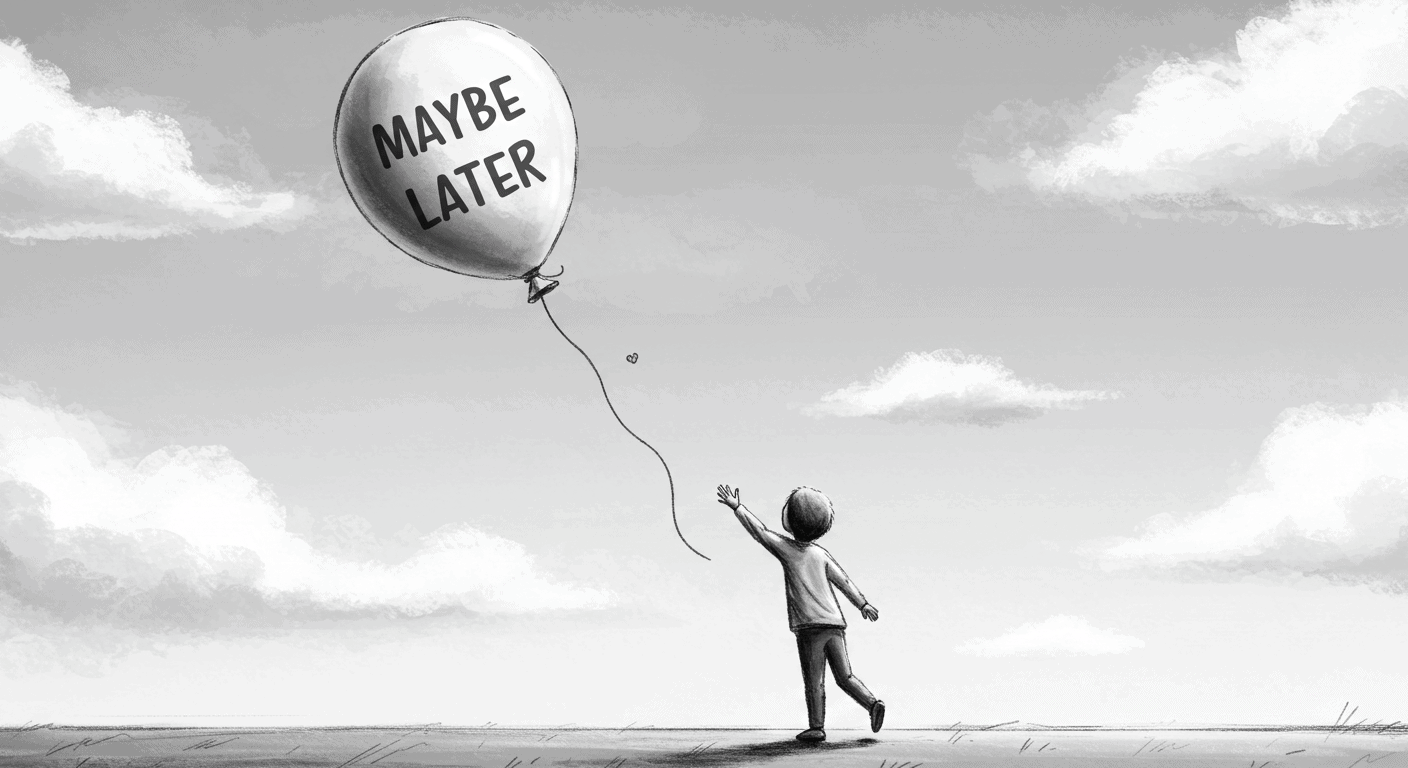
“Maybe Later” appears on modals, product tours, feature announcements, onboarding flows. It’s the soft opt-out — a peace offering to the overwhelmed new user. A UX safety valve. The thinking behind it is reasonable: we don’t want to force anyone. Pushy onboarding is annoying. Users should have control. The problem is what actually happens when…
You’ve been shipping. The roadmap is moving, features are live, users are paying. But somewhere in the last few months the product started feeling… thick. Not broken – functional. Just harder to use than it needs to be. The onboarding that used to feel clean now has two extra steps nobody can explain. There’s a…
I spent 6 weeks building a feature that saved users 40 minutes per week. Then I skipped it in user onboarding because “it felt too advanced” and “we didn’t want to overwhelm new users.” Discovery rate after 90 days: 27%. 73% of users never found it. Not because it was bad. Because I decided not…
I spent three months tracking settings usage across one product. 127 total settings. 89 visible by default. Users changed an average of 4.7 settings. Not 89. Not 31. Not even 12. 4.7. Democracy in action: you built 89 options, users touched 5% of them. The other 95% just made onboarding take 18 minutes longer and…