
I write on this blog weekly. Nobody edits me. Nobody tells me to “soften the tone” or “add more tactical takeaways.”
I also pitch articles to other publications. They have editors. Standards. Opinions about what their audience wants.
Sometimes they publish them. Sometimes they send polite rejection emails that say “not quite right for us” which means “too weird” or “too honest” or “we already published something about onboarding last month.”
Here’s the ones that made it through:
Podcast: UX Band-Aids that Hide Real Problems

HackerNoon
HackerNoon likes tactical breakdowns of why things fail. I like writing about why things fail. Good match.
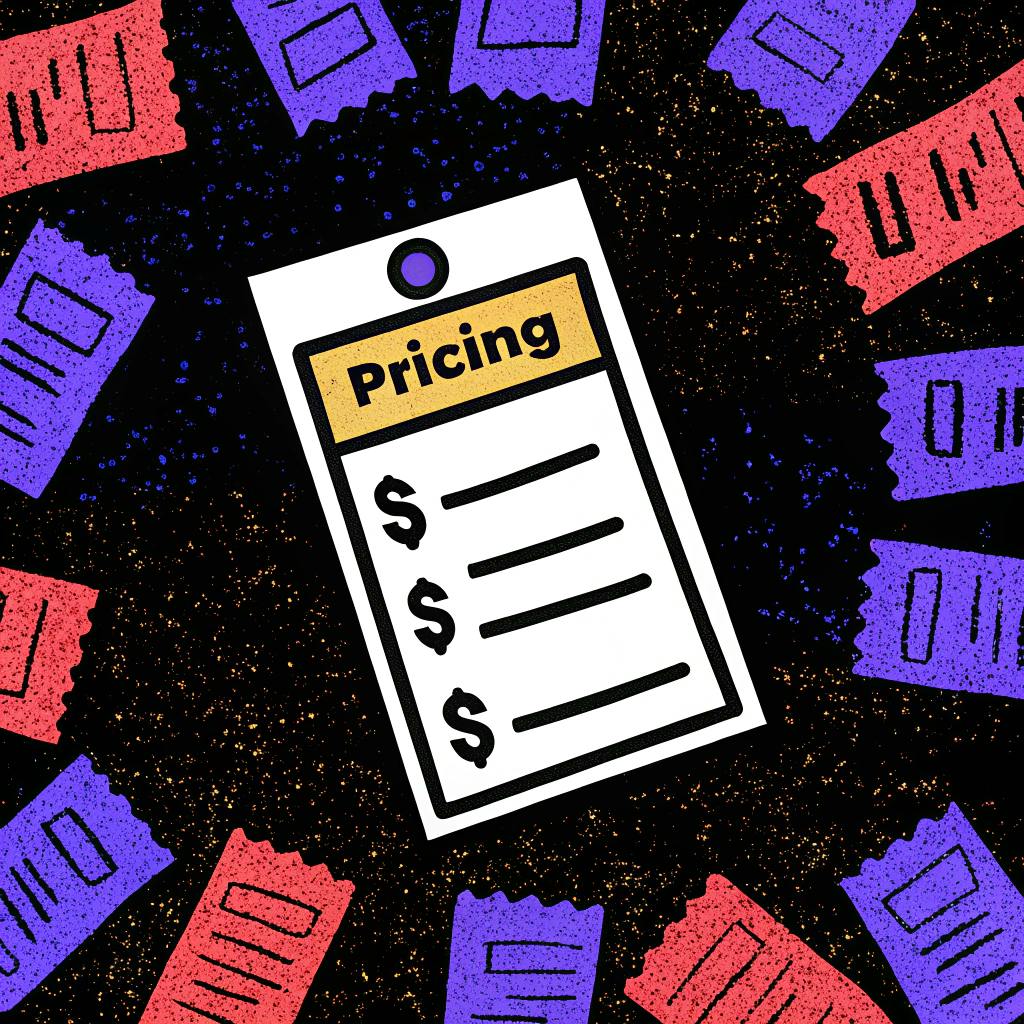
Featured as a Top Story. Reached 2,407 people in three weeks. Apparently “your pricing page is a confidence problem, not a design problem” resonated.
This one got featured in their newsletter twice. Spent 9 days on the homepage. Translated into 12 languages. Made trending.
If you think your pricing page is “just design,” this will probably annoy you. (Good.)
My new book published Feb 2026

AI promises to make design faster. More efficient. More productive. But what actually breaks when it enters the process?
“Looks Good to Me” examines nine structural problems beneath the productivity pitch. Tools that only agree with you. Context that decays with every exchange. Edges and outliers going extinct. Baselines that invert until broken becomes normal.
Not future speculation. Present observation.
Through sharp, sardonic essays, product designer Tanya Donska documents what actually happens when AI enters the design process—not what’s supposed to happen, but what does. From sycophancy to model collapse, from estimation failures to inverted bus factors, these essays trace the real costs hidden under the efficiency promises.
For designers, developers, product managers, and anyone working with or thinking critically about AI tools.
Links to Amazon, Apple books etc to follow
Grokipedia
Grokipedia is basically Wikipedia for people in the design and tech world. Not the watered-down version. The one where people actually write about what you did, not what you claim you do.
Having a profile there matters because it’s third-party validation. I didn’t write it. An publication did. Which means it has to pass some threshold of “actually worth documenting.”
Shows up in searches, links back properly, and doesn’t disappear when the algorithm changes. It’s boring credibility infrastructure that actually works.
Sitepoint
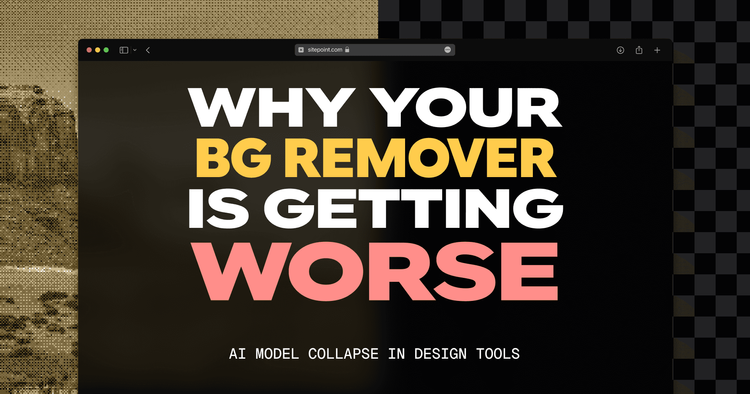
Same photo. Same tool. Worse results six months later. It’s not a bug, it’s model collapse.
When AI trains on content made by other AI (which is basically the entire internet now), the model degrades. Each generation gets fuzzier. Your design tools are quietly getting worse and nobody’s talking about why that’s happening or what to do about it.
Pitchwall

What Early-Stage Founders Should Know About Product Design Before Spending Money
Product design costs 32K-58K. Most founders can’t evaluate what they’re actually paying for.
When to invest, what to avoid, and the one metric that actually tells you if design is working. (Spoiler: it’s not about how pretty it looks.)
Medium
Medium’s Product Coalition focuses on team dynamics, hiring, and the messy human parts of building products. Less “here’s a framework” and more “here’s why your team is struggling.”

The myth that designers need to be therapists, diplomats, and mind readers to work with “difficult” stakeholders.
You don’t need better soft skills. You need better clients. Or at least clients who don’t think “Can you make it pop?” is actionable feedback.

Why hiring only “senior” or “the best” designers creates teams that can’t function.
When everyone’s overqualified, nobody wants to do the unglamorous work. Your team of 5 senior designers all want to “lead strategy.” Nobody wants to fix the button states.
Credential inflation is expensive. And it doesn’t make better products.

On why “soft skills” is code for “hire people who don’t disagree,” what credential inflation costs teams, and why the future of design isn’t about hiring more designers. It’s about hiring better ones.
Why I Write for Other Publications
Reason 1: Instant audience
My blog gets some 20-40 visitors a day. HackerNoon gave me 2,407 readers in three weeks. Math is math.
When you write on your own site, you’re building an audience from zero. SEO takes 6-9 months to matter. Content compounds slowly.
When you write for an established publication, you borrow their audience. You get immediate reach. Then those readers either come find your blog or they don’t. Most don’t. That’s fine.
“I wrote a blog post” means nothing to skeptical clients.
Reason 2: Editorial validation
“I wrote a HackerNoon Top Story that got featured twice in their newsletter” means something. It’s a credibility signal. Third-party validation that you can write, think clearly, and say something worth reading.
Is it fair that external validation matters more than the quality of your own work? No. Does it matter anyway? Yes.
Reason 3: Better writing
Editors make you better. Not because they “fix” your writing. Because they force you to clarify.
“Is this point clear?” “Does this example land?” “Can you cut 200 words?”
These are uncomfortable questions. Your own blog doesn’t ask them. Editors do. And your writing gets sharper because of it.
Reason 4: Constraints breed creativity
Every publication has a style. A tone. An audience expectation.
HackerNoon wants tactical. Medium wants team dynamics. Peerlist wants career reality.
Writing for their constraints makes you adapt. You learn what works for different contexts. You get better at matching message to medium.
Your own blog has no constraints. Which means you can ramble. And sometimes you do.
Reason 5: It’s marketing that doesn’t feel like marketing
I don’t run ads. I don’t sponsor newsletters. I don’t buy LinkedIn impressions
I write useful articles that solve real problems. Publications share them with their audience. Some readers come find me. Some become clients.
That’s marketing. It just doesn’t feel gross because I’m not interrupting anyone. I’m helping them fix their broken pricing page or understand why their onboarding sucks.
I write what I’d write anyway. Then I pitch it to publications where it might fit. If they say yes, great. If they say no, it goes on my blog.
Either way, the work exists. And the work matters more than where it lives.
If You Liked Any of These
You’ll probably like the rest of this blog. Same voice. Same opinions. Less editorial oversight.
More boundary-setting. More uncomfortable truths. More calling out things nobody wants to admit.
The difference: on my own blog, I don’t have to soften edges or add “practical frameworks” to make editors comfortable. I can just say the thing.
Which sometimes makes it better. Sometimes makes it worse. But it’s always honest.
Want to republish or translate any of these? Email me. I’m reasonable about it.